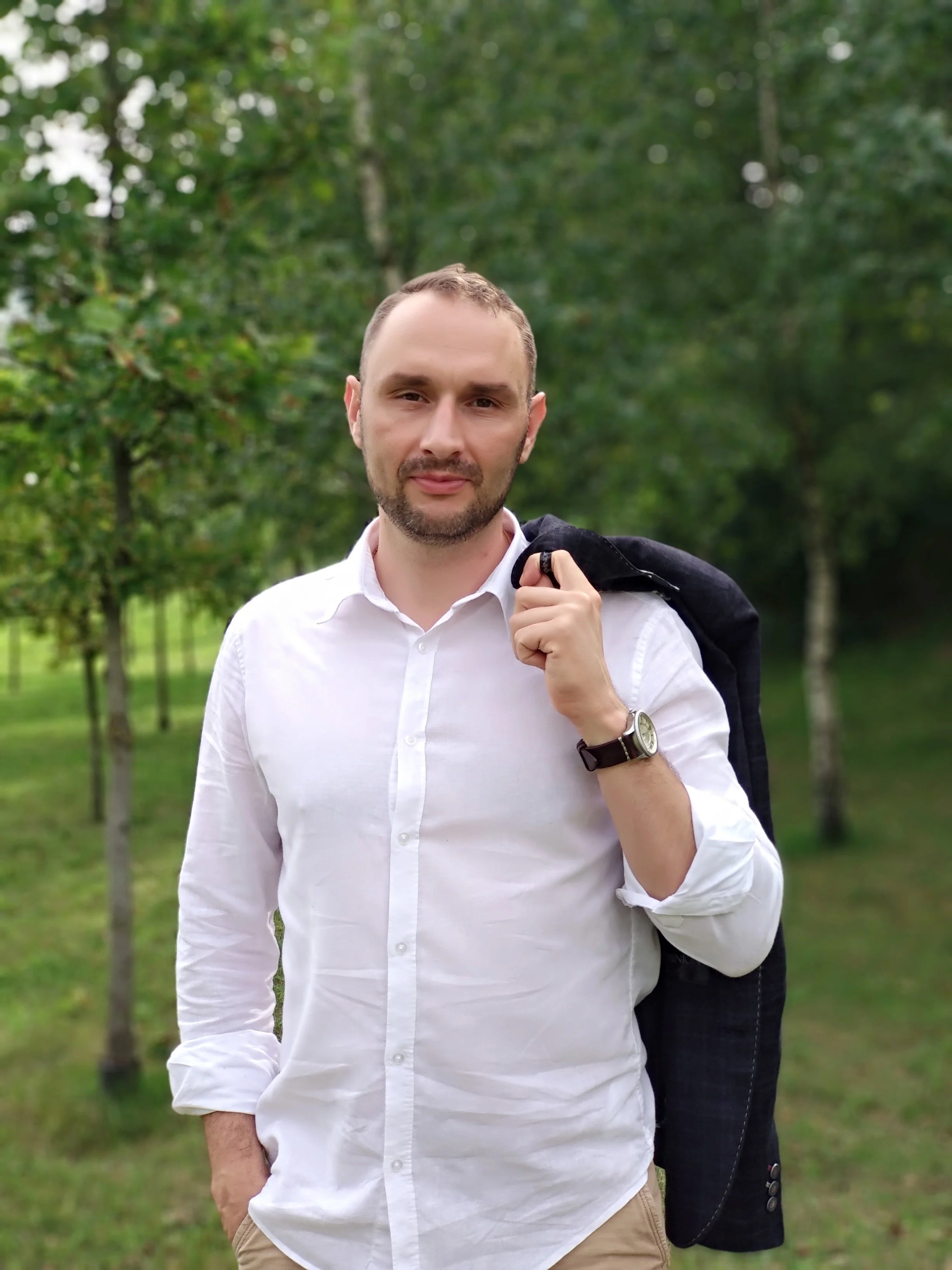
Aleksei Rostov
Principal Engineer (PhD) | Radar Systems Architecture, DSP & FPGA/SoC
About
Principal Engineer (PhD) working across radar systems, electronic warfare, FPGA/SoC platforms, and embedded systems. My focus is on system-level engineering and the implementation of real-time signal-processing systems, from architecture and modeling to hardware acceleration, integration, and validation.
My background combines research and product development experience in radar, electronic countermeasures, embedded systems, and FPGA-based prototyping, providing a strong foundation for system-level architecture and technical leadership.
I have led multidisciplinary development projects from concept to working prototype, including a structured-light 3D scanner based on Zynq UltraScale+ MPSoC, where I was responsible for technical direction, system integration, and product-level coordination.
Alongside my engineering work, I develop and license FPGA IP cores for radar signal processing. I also create educational workshops and training materials based on practical radar datasets and real hardware implementations.
Focus Areas
► Radar Systems & Signal Processing: System modeling, processing chains, and performance analysis
► System-Level Engineering: Requirements, architectural trade-offs, HW/SW partitioning, and feasibility analysis
► FPGA/SoC Development: Hardware acceleration and real-time DSP implementation
► Embedded Systems: Embedded Linux, HW/SW integration, and high-throughput data pipelines
► Research & Prototyping: Algorithm development, experimental validation, and radar data analysis
► Education & Technical Leadership: Workshops, mentoring, technical writing, and practical learning materials
My Teaching Principles
WHAT to learn
Learning objectives are clearly defined and measurable. Each lesson starts by stating its goals and concludes by revisiting them, ensuring that key ideas are understood and retained.HOW to learn
Each topic is broken down into clear, manageable steps that lead toward the lesson objective. Practical examples accompany every step, because numbers, expressions, plots, and concrete implementations are essential for true understanding.HOW MUCH to learn
Lessons are carefully scoped to avoid cognitive overload. When a topic becomes too dense, it is deliberately split into multiple shorter lessons to maintain clarity and focus.